Plantar fasciitis is one of the most common – and most frustrating – injuries for runners. That sharp pain in the heel or arch, often worst with your first steps in the morning, can make every run feel like a risk. The right pair of running shoes won’t cure plantar fasciitis on their own, but choosing footwear with the right support, cushioning and structure can make a significant difference to your comfort and recovery.
At Running Bath we help runners dealing with plantar fasciitis regularly, and it’s one of the most common reasons people come in for a gait analysis. This guide covers what to look for in a shoe, our recommended options, and how to keep running comfortably while you manage the condition.
What Is Plantar Fasciitis?
The plantar fascia is a thick band of tissue that runs along the bottom of your foot, connecting your heel to your toes. When this tissue becomes inflamed or irritated – often from overuse, poor footwear, tight calves, or a sudden increase in running mileage – it causes pain that’s typically felt at the heel and can radiate along the arch.
Common symptoms include sharp heel pain first thing in the morning, discomfort after periods of rest, and pain that eases slightly once you’re warmed up but can return after a run. If you’re experiencing persistent heel or arch pain, it’s worth seeing a podiatrist or physiotherapist alongside making changes to your footwear.
What to Look for in Running Shoes for Plantar Fasciitis
Good Arch Support
Shoes with structured arch support help reduce the strain on the plantar fascia by supporting the foot’s natural arch rather than allowing it to collapse with each step. This is particularly important for runners with flat feet or low arches.
Cushioned Heel
A well-cushioned heel helps absorb impact at the point where plantar fasciitis pain is often most acute. Look for shoes with substantial heel cushioning rather than minimal or barefoot-style designs.
Firm Heel Counter
The heel counter is the structured part of the shoe that wraps around your heel. A firm, supportive heel counter helps stabilise the foot and reduce excessive movement that can aggravate the plantar fascia.
Appropriate Stability
If your plantar fasciitis is linked to overpronation – where the foot rolls inward excessively – a stability shoe can help by correcting this movement and reducing strain on the plantar fascia. Not everyone with plantar fasciitis overpronates, so this is worth checking with a gait analysis.
The Best Running Shoes for Plantar Fasciitis We Stock
Brooks Adrenaline GTS 25 – Best for Plantar Fasciitis with Overpronation
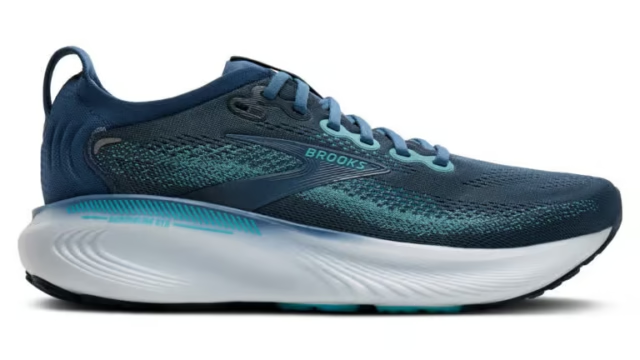
If your plantar fasciitis is linked to overpronation, the Brooks Adrenaline GTS 25 is an excellent choice. GuideRails support gently corrects excess inward rolling, reducing strain on the plantar fascia, while the DNA LOFT v2 midsole provides substantial cushioning through the heel. Many runners with plantar fasciitis find significant relief in this shoe. Shop Brooks Adrenaline GTS 25
HOKA Bondi 9 – Best for Maximum Heel Cushioning
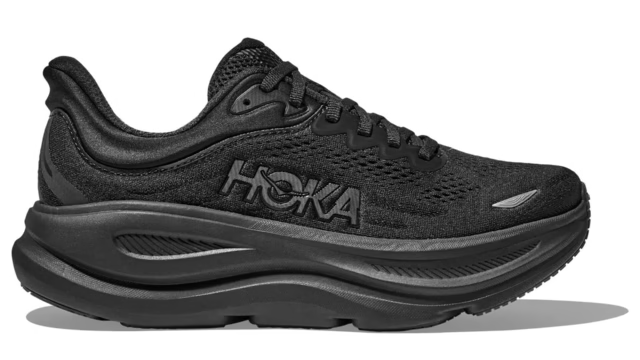
The HOKA Bondi 9 offers some of the most generous heel cushioning available in any running shoe. The maximal stack height absorbs impact effectively, which can help reduce the load on an irritated plantar fascia during recovery. The supportive, structured fit also helps keep the foot stable through each stride. A popular choice for runners managing plantar fasciitis who want maximum protection. Shop HOKA Bondi 9
HOKA Arahi 8 – Best Lightweight Stability Option
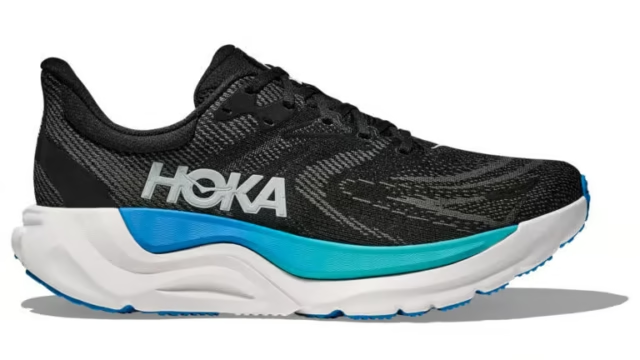
If you need stability support but find traditional stability shoes too heavy or restrictive, the HOKA Arahi 8 is worth trying. J-Frame technology provides targeted support without adding significant weight, and the cushioned midsole helps protect the heel during impact. A good middle ground for runners managing plantar fasciitis who don’t want to compromise on feel. Shop HOKA Arahi 8
Brooks Glycerin 23 – Best for Neutral Runners
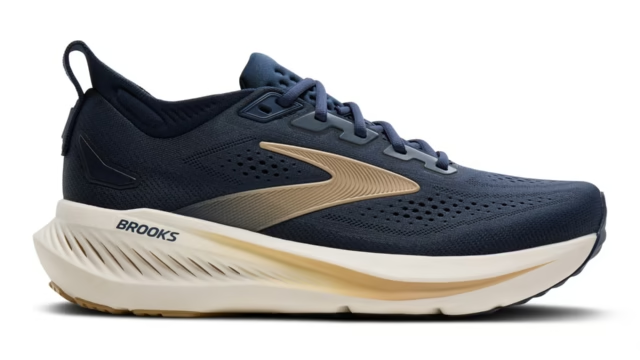
For runners with plantar fasciitis who have a neutral gait (no significant overpronation), the Brooks Glycerin 23 offers excellent cushioning without unnecessary stability features. DNA LOFT v3 foam provides a plush, protective ride that’s gentle on an irritated plantar fascia, making it a strong option for longer or slower runs during recovery. Shop Brooks Glycerin 23
Should I Keep Running with Plantar Fasciitis?
This depends on the severity of your symptoms and is something worth discussing with a podiatrist or physiotherapist. Many runners are able to continue running at a reduced volume with appropriate footwear, stretching and strengthening exercises, while others need a period of rest. Pushing through significant pain is rarely a good idea as it can prolong the injury.
If you are continuing to run, reducing your mileage temporarily, avoiding hard surfaces where possible, and making sure your shoes are appropriate for your gait can all help manage symptoms while you recover.
Gait Analysis and Plantar Fasciitis
If you’re dealing with plantar fasciitis, a gait analysis is particularly valuable. We can assess whether you overpronate, check your arch type, and identify whether your current shoes might be contributing to the problem. From there we can recommend shoes that provide the right balance of cushioning, support and structure for your specific situation.
Book a gait analysis at Running Bath – we’re on the High Street in Bath city centre, next to Bath Abbey.
Best Running Shoes for Plantar Fasciitis – FAQs
What causes plantar fasciitis in runners?
Plantar fasciitis is often caused by a combination of factors including a sudden increase in running mileage, inadequate footwear, tight calf muscles, flat feet or high arches, and overpronation. It’s common in runners who increase their training volume too quickly without adequate recovery.
Do stability shoes help with plantar fasciitis?
For runners whose plantar fasciitis is linked to overpronation, a stability shoe like the Brooks Adrenaline GTS 25 can help by reducing the excess inward rolling that strains the plantar fascia. If you have a neutral gait, a well-cushioned neutral shoe is usually more appropriate.
Should I get insoles for plantar fasciitis?
Some runners find additional arch support from orthotic insoles helpful alongside the right shoe. If you’re using orthotics, look for shoes with a roomier fit to accommodate them comfortably – the Brooks Adrenaline GTS 25 and HOKA Bondi 9 both work well with insoles. A podiatrist can advise on whether custom orthotics would benefit your specific case.
How long does plantar fasciitis take to heal?
Recovery time varies significantly between individuals, but many cases improve within a few weeks to a few months with appropriate rest, stretching, footwear and treatment. Persistent or severe cases may take longer and are worth discussing with a physiotherapist or podiatrist.
Can the wrong running shoes cause plantar fasciitis?
Yes – shoes that don’t provide adequate support or cushioning for your gait can contribute to plantar fasciitis, particularly if they allow excessive pronation or fail to cushion the heel adequately. This is one of the reasons a gait analysis can be so valuable – identifying the right shoe early can help prevent the condition developing or worsening.
Can I try these shoes before buying?
Yes – come into Running Bath in Bath city centre and try the full range. Our team can assess your gait and help you find a shoe suited to managing plantar fasciitis comfortably. Book a gait analysis or just pop in – we’re open seven days a week.
Visit Running Bath for Expert Advice
Running Bath is Bath’s specialist running store, located on the High Street next to Bath Abbey. Our team can help you find the right running shoes to manage plantar fasciitis comfortably, with a full gait analysis available in-store. Shop Brooks – Shop HOKA – Book a gait analysis. Free UK delivery on orders over £60 – easy returns – expert advice in-store and online.
Also useful: Stability Running Shoes – Running Shoes for Wide Feet – Best Running Shoes for Knee Pain
This article is for general guidance only and is not a substitute for professional medical advice. If you are experiencing persistent foot pain, please consult a podiatrist or physiotherapist.