Finding comfortable running shoes when you have wide feet can be genuinely frustrating. Standard fit shoes that feel fine in the shop can quickly become a problem on longer runs – pinching across the forefoot, causing blisters or leading to black toenails from toes pressing against the front of the shoe. The good news is that wide fit running shoes have improved enormously in recent years and there are now excellent options across all categories – from everyday trainers to stability shoes and trail runners.
At Running Bath we fit runners with wide feet regularly and it’s one of the most common issues we help people with in-store. This guide covers what to look for, the best wide fit options we stock and how to make sure you get the right fit.
How Do You Know If You Need Wide Fit Running Shoes?
It’s not always obvious. Some signs that you might benefit from a wider shoe:
Your shoes feel tight across the forefoot or toes
If you feel pressure or pinching across the widest part of your foot – the ball of the foot – your shoe is likely too narrow. This is the most common sign of needing a wider fit.
You get blisters on the sides of your feet
Blisters on the outer edge of the foot or little toe are often caused by the shoe being too narrow rather than the wrong size.
Your toenails turn black after longer runs
Black toenails are usually caused by toes pressing against the end or sides of the shoe. Going up half a size sometimes helps, but a wider fit often solves the problem more effectively.
You feel more comfortable in casual shoes than running shoes
Many casual and lifestyle shoes are cut slightly wider than running shoes. If you’ve always found running shoes less comfortable than everyday footwear, width could be the reason.
Wide Fit Running Shoes – What to Look For
When choosing a wide fit running shoe there are a few things worth considering beyond just the width:
Look for 2E or 4E width options
Running shoe widths are typically measured as D (standard), 2E (wide) or 4E (extra wide). Most mainstream brands offer 2E wide options in their popular models – 4E is less common but available in specialist models like the Brooks Beast.
Don’t just go up a size
A common mistake is to go up half a size or a full size to get more room. This can help with length but often doesn’t solve width problems and can cause other issues like heel slippage. A properly wide fit shoe is always the better solution.
Check the toe box shape
Some shoes are cut with a naturally wider or more rounded toe box even in standard width – HOKA models in particular tend to run slightly wider than average. Worth trying before automatically going to the wide fit version.
The Best Wide Fit Running Shoes We Stock
Brooks Ghost 17 Wide (2E) – Best Overall Wide Fit
The Ghost 17 is already one of the best all-round running shoes available, and the wide fit version makes it accessible to runners who’ve previously struggled with standard width shoes. The 2E width gives noticeably more room across the forefoot without changing the ride or feel of the shoe. Smooth, cushioned and versatile — suitable for everyday training at any pace. If you have wide feet and want one shoe that does everything, this is probably it. Shop Brooks Ghost 17 Wide
Brooks Adrenaline GTS 25 Wide (2E) – Best Wide Fit Stability Shoe
If you overpronate as well as having wide feet, the Adrenaline GTS 25 Wide is the shoe to try. Brooks’ GuideRails support system keeps excess movement in check without feeling restrictive, and the wide fit gives the room across the forefoot that overpronators with wide feet often struggle to find. A particularly good choice for runners who’ve had knee or hip issues linked to their gait. Shop Brooks Adrenaline GTS 25 Wide
Brooks Beast GTS 23 – Best for Maximum Width and Support
The Beast GTS 23 is Brooks‘ most generously fitted shoe – designed specifically for runners who need maximum width and support. It has a wide base, soft DNA LOFT v3 cushioning, and GuideRails stability support, and is particularly well suited to runners who use orthotics as the roomy fit accommodates insoles comfortably. If you’ve tried 2E width shoes and still find them too narrow, the Beast is worth trying. Shop Brooks Beast GTS 23
HOKA Clifton 10 – Naturally Wider Fit
The HOKA Clifton doesn’t come in a specific wide fit version but is worth mentioning here because HOKA shoes generally run slightly wider than comparable road shoes. Many runners who find standard width shoes too narrow are comfortable in a Clifton without needing to go to a wide fit. The roomy toe box in particular suits runners with wider forefeet. Worth trying before going straight to a 2E option. Shop HOKA Clifton 10
HOKA Bondi 9 – Wide Toe Box, Maximum Cushioning
Like the Clifton, the Bondi runs slightly wider than average and has a generously proportioned toe box. If you have wide feet and want maximum cushioning — for long runs, recovery days or if you’re on your feet all day — the Bondi is an excellent option. Shop HOKA Bondi 9
Getting the Right Fit for Wide Feet
Even with wide fit shoes, getting the fit right takes a bit of care. A few things to check when trying on running shoes with wide feet:
Check the forefoot first
Stand up and press your thumb across the widest part of your foot – the ball of the foot. There should be no pressure or bulging over the sides of the shoe. If the upper is pulling tight across this area the shoe is too narrow.
Wiggle your toes
You should be able to wiggle all your toes freely without them pressing against the sides or end of the shoe. There should be roughly a thumbnail’s width of space between your longest toe and the end of the shoe.
Check the heel
Wide fit shoes should be wider in the forefoot but still hold the heel securely. If your heel is slipping the shoe may be too wide overall or the wrong last shape for your foot.
Try them on at the end of the day
Feet swell during the day and during running. Trying shoes on in the afternoon or evening gives a more accurate picture of how they’ll feel on a run.
Wide Feet and Gait Analysis
If you have wide feet it’s particularly worth coming in for a gait analysis before buying running shoes. At Running Bath our gait assessment includes a foot and arch assessment – we look at your foot shape as well as how you move, which means we can identify the right width as well as the right level of support and cushioning for your individual needs.
Many runners with wide feet also have associated gait characteristics – flat arches and overpronation are more common in wider feet, for example – so getting a proper assessment rather than just buying a wide fit version of whatever you wore before can make a significant difference to comfort and injury prevention.
Book a gait analysis at Running Bath we’re on the High Street in Bath city centre, next to Bath Abbey.
Best Running Shoes for Wide Feet – FAQs
2E is a width designation used by running shoe brands – it means wide fit. Standard width is D, wide is 2E and extra wide is 4E. Not all brands use the same system but 2E is the most common wide fit option available.
HOKA doesn’t offer a separate wide fit range in the same way Brooks does, but their shoes generally run slightly wider than average and have a roomy toe box. Many runners who need a wider fit find HOKA shoes comfortable in standard width. The Clifton and Bondi in particular are known for their generous fit.
No – wide fit versions of running shoes are typically the same price as the standard width. The Brooks Ghost 17 Wide and Adrenaline GTS 25 Wide are both the same price as their standard counterparts.
Yes – wide fit running shoes are generally well suited to orthotics as the extra room in the forefoot accommodates the additional volume of an insole. The Brooks Beast GTS 23 in particular is designed with orthotics in mind. If you use custom orthotics, bring them with you when you come in to try shoes.
The simplest test is to stand on a piece of paper, trace around your foot and measure the width at the widest point. Compare this to a standard shoe width chart. But honestly, the most reliable way is to come in for a fitting – we measure foot length and width as part of our fitting process and can tell you definitively whether a standard or wide fit shoe is right for you.
You can, but it’s riskier than buying in-store, especially if you’ve had problems with fit before. We’d always recommend trying wide fit shoes in person before buying, particularly if you’re new to wide fit or trying a new brand. If you’re in the Bath area, come into Running Bath and we’ll make sure you leave with the right shoe. If you buy online, you can return any item purchased on our website within 28 days of receipt for a refund, or to exchange for the same item in an alternative size or colour.
Visit Running Bath for Wide Fit Running Shoes
We stock a range of wide fit running shoes in-store and online, including the Brooks Ghost 17 Wide, Adrenaline GTS 25 Wide and Beast GTS 23. Our team will measure your feet, assess your gait and help you find the right wide fit shoe for your running style and goals. Shop wide fit Brooks shoes or book a gait analysis in-store. Free UK delivery on orders over £60 – easy returns – expert advice in-store and online.
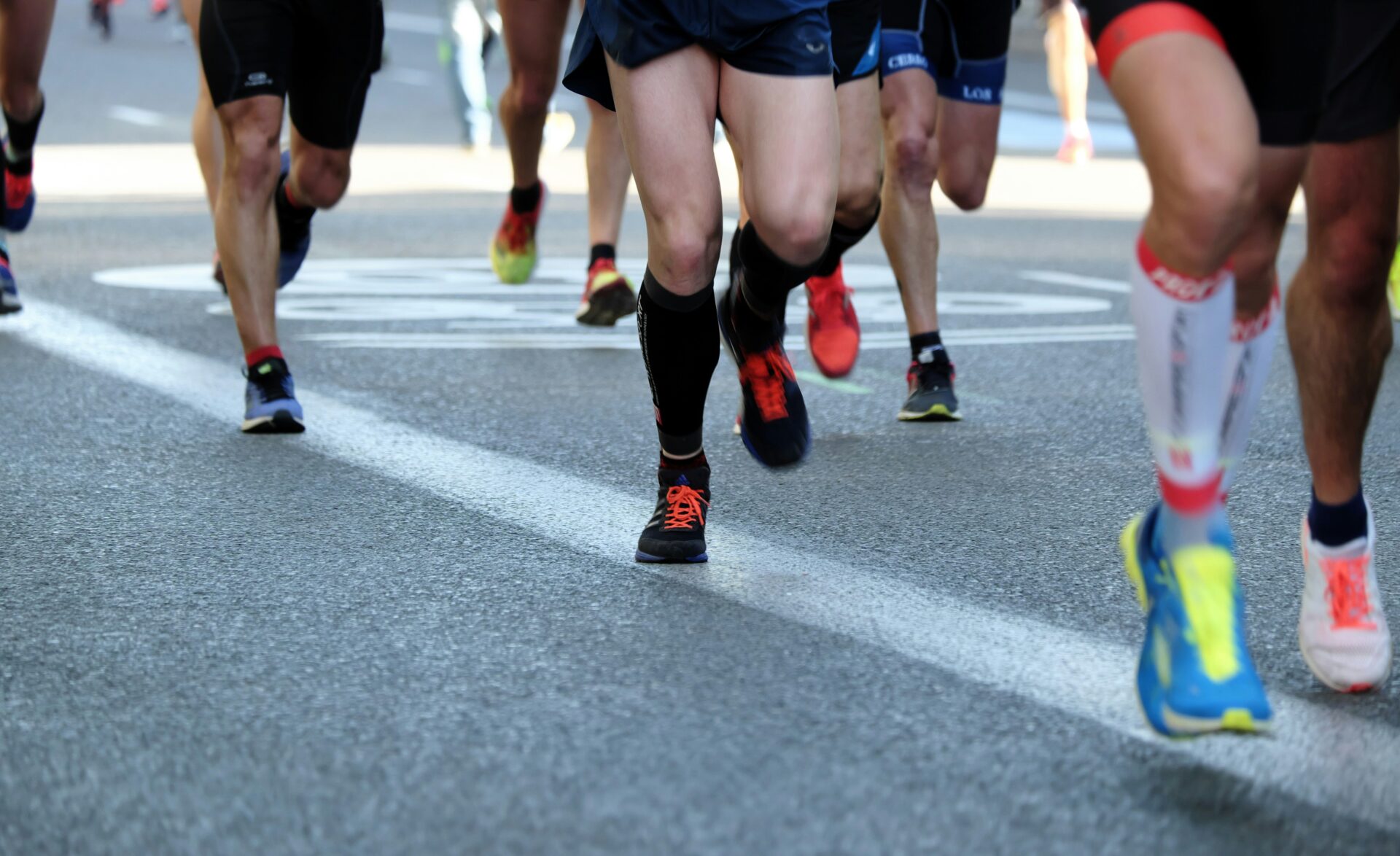
Photo by Miguel A Amutio on Unsplash