Choosing the right running shoes can have a huge impact on comfort, performance, and injury prevention. One of the most common questions runners ask is: “What’s the difference between Hoka trail and road running shoes – and which do I need?”
Hoka is known for its cushioned, performance-driven footwear, but different models are designed for very different types of running. In this guide, we’ll explain the key differences between Hoka trail running shoes and Hoka road running shoes, so you can choose the right shoe for where and how you run.
Trail vs Road Running Shoes: The Basics
While trail and road running shoes may look similar, they’re built for completely different surfaces.
- Road running shoes are designed for hard, predictable surfaces like tarmac, pavements and cycle paths.
- Trail running shoes are made for off-road terrain such as woodland paths, muddy trails, gravel tracks and uneven ground.
Understanding where you run most is the first step to choosing the right Hoka running shoe.
Key Differences Between Hoka Trail and Road Running Shoes
Outsole & Grip
One of the biggest differences is underneath your feet.
Hoka Trail Running Shoes
- Deep, aggressive lugs for grip
- Designed for mud, wet grass, rocks and loose surfaces
- Often use high-traction rubber such as Vibram® Megagrip
Hoka Road Running Shoes
- Smoother outsole with minimal tread
- Optimised for grip on tarmac and pavement
- Built for durability on hard, repetitive surfaces
Trail shoes worn on the road can feel uncomfortable and noisy, while road shoes on trails often lack grip and stability.
Cushioning & Underfoot Protection
Hoka’s signature cushioning is present in both types but it’s tuned differently.
Road Shoes
- Softer, smoother cushioning
- Designed for repetitive impact on hard surfaces
- Often feel more responsive and efficient at steady paces
Trail Shoes
- Slightly firmer or more protective cushioning
- Built to handle uneven ground
- Many models include a rock plate to protect against sharp stones
This difference is especially noticeable on longer runs or technical terrain.
Stability & Support
Trail running demands more from your shoes due to uneven foot placement.
Trail Running Shoes
- Reinforced toe bumpers
- More structured uppers
- Improved lateral stability for rough ground
Road Running Shoes
- Lighter, more flexible uppers
- Less structure, as surfaces are predictable
- Focus on comfort and breathability
If you regularly run off-road, this extra protection can reduce fatigue and lower the risk of knocks and bruising.
Weight & Ride Feel
In general:
- Hoka road running shoes feel lighter and smoother
- Hoka trail running shoes may feel slightly heavier due to added grip and protection
That extra weight on trail shoes brings confidence when running downhill, on wet ground or across technical sections.
Popular Hoka Road vs Trail Models
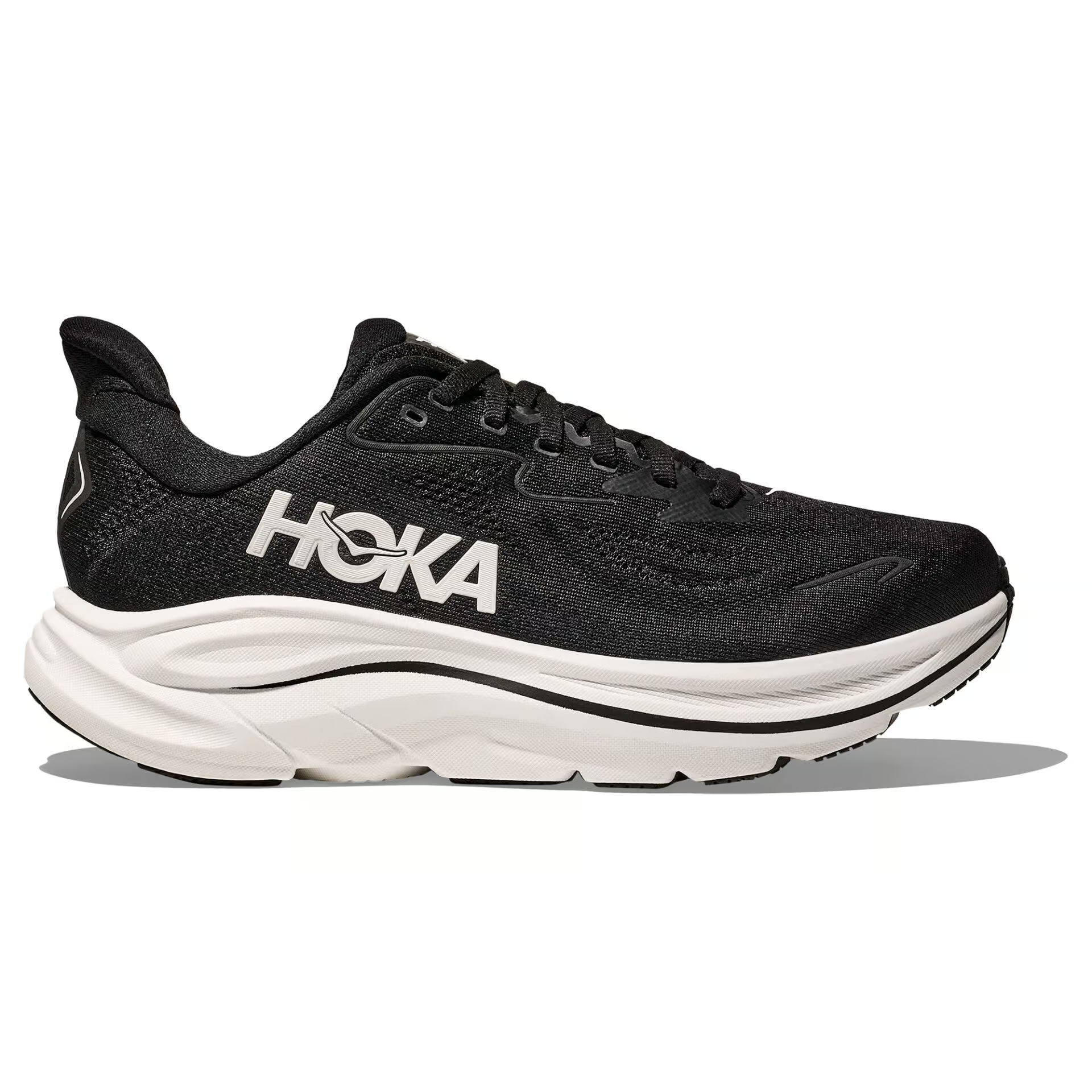
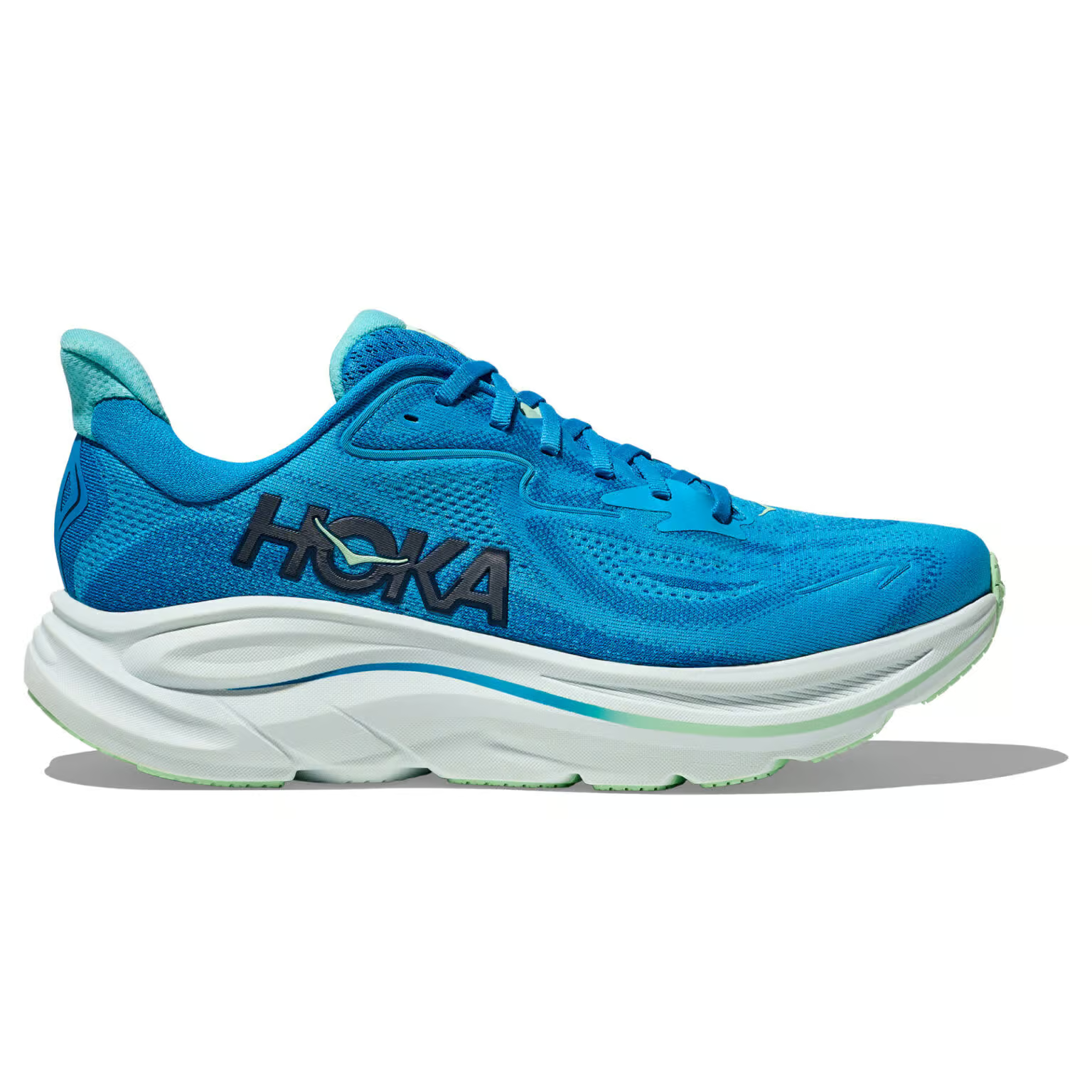
Popular Hoka Road Running Shoes
- Hoka Clifton – lightweight and cushioned for everyday running
- Hoka Bondi – maximum cushioning for comfort and recovery
- Hoka Rincon – lighter and more responsive for faster runs
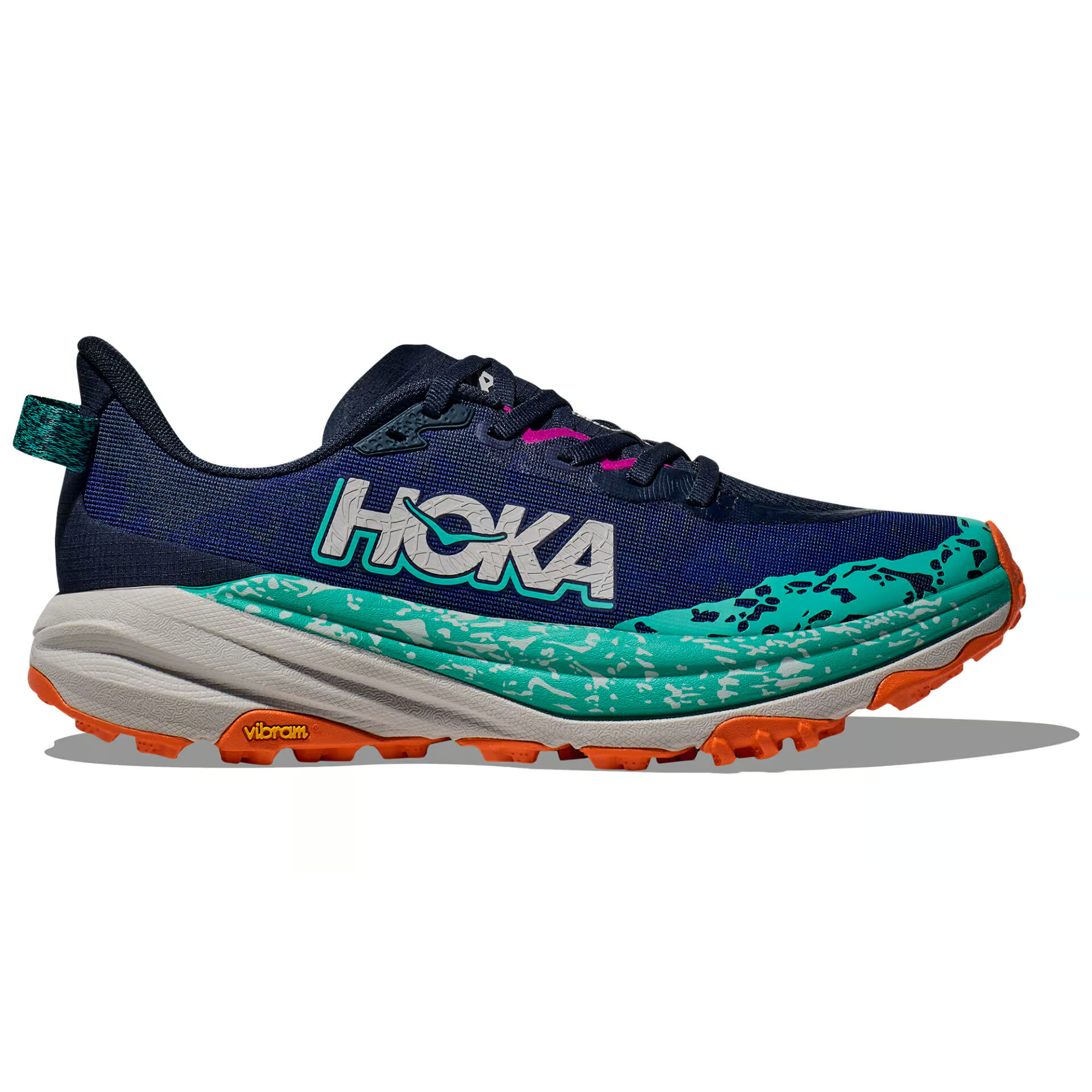
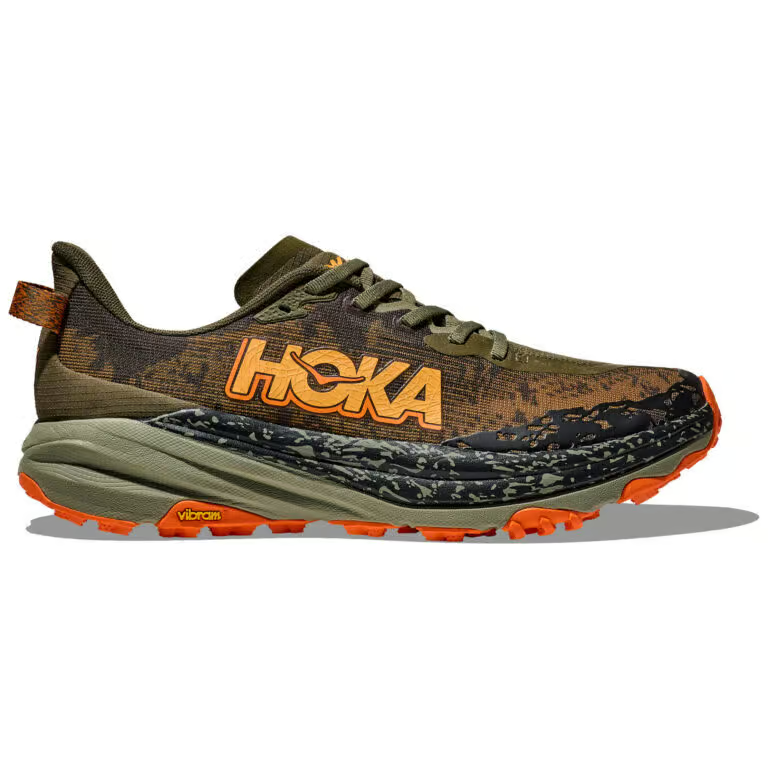
Popular Hoka Trail Running Shoes
- Hoka Speedgoat – excellent grip for technical trails
- Hoka Challenger ATR – versatile option for road-to-trail running
- Hoka Mafate Speed – designed for long-distance trail running
Trying different models side by side often makes the differences clearer than reading specs alone.
Can One Hoka Shoe Work for Both Road and Trail?
In some cases, yes but there are compromises.
Hybrid shoes like the Hoka Challenger ATR work well for runners who mix road running with light trails or gravel paths. However, they won’t provide the same grip as a dedicated trail shoe in muddy conditions, or the same smooth ride as a pure road shoe on tarmac.
If you regularly run on both surfaces, owning one road shoe and one trail shoe is often the most comfortable and versatile solution.
Getting the Right Fit and Advice
Choosing the right Hoka shoe isn’t just about terrain, factors like fit, cushioning preference, running style and weekly mileage all matter. That’s why visiting our specialist running shop in Bath can be so valuable, especially if you’re unsure where to start or are switching terrain.
The difference between Hoka trail and road running shoes comes down to grip, protection, stability and how the shoe feels underfoot. Choosing the right pair can improve comfort, confidence, and enjoyment on every run.
If you’re still unsure which Hoka running shoes are right for you, pop into Running Bath for expert advice and a proper fitting, it can make all the difference to your running.
Photo by Vitaly Gariev on Unsplash