Everything You Need for Off-Road Running
Trail running is one of the fastest-growing forms of running in the UK – and it’s easy to see why. Running off-road through woodland, along canal paths, over hills and across open countryside is a completely different experience to pounding the pavement. The scenery is better, the surfaces are more varied, and there’s something deeply satisfying about navigating a muddy descent in the rain.
But trail running does require different gear to road running. The right shoes, clothing and kit can make the difference between a brilliant day out and a miserable, injury-prone slog. This guide covers everything you need to get started – or to upgrade your existing trail kit.
Trail Running Shoes – The Most Important Piece of Kit
If you only invest in one piece of trail-specific kit, make it the shoes. Trail running shoes differ from road shoes in several important ways – they have grippier, lugged outsoles for traction on mud and loose terrain, more protective midsoles to handle rocks and roots underfoot, and more durable uppers that resist trail debris.
Running on trails in road shoes is possible on dry, well-maintained paths – but on anything technical, wet or muddy, road shoes become a liability. The difference in grip and confidence is significant.
Our Top Trail Running Shoe Picks
HOKA Speedgoat 7 – Best Overall Trail Shoe
The HOKA Speedgoat 7 is our most popular trail shoe and one of the best all-round trail runners available. The Vibram Megagrip outsole provides exceptional grip on wet and technical terrain, while HOKA’s cushioned midsole offers more protection than most trail shoes – ideal for longer efforts and runners coming from road running who want that cushioned feel off-road. Gaiter-compatible and available in men’s and women’s versions.
Salomon Aero Glide – Best for Longer Trail Distances
Salomon’s Aero Glide is a versatile trail shoe designed for longer distances on mixed terrain. It combines Salomon’s trail expertise with a more cushioned ride – well suited to runners who want to cover big miles off-road without sacrificing comfort. Shop Salomon trail shoes.
Salomon Thundercross GTX – Best for Wet Weather
For trail running in the UK’s unpredictable weather, the Salomon Thundercross GTX adds GORE-TEX waterproofing to a capable trail platform. Your feet will stay dry through puddles and persistent rain – worth considering if you run trails through autumn and winter. Shop Salomon Thundercross GTX.
Do I Need Trail Shoes for Running Around Bath?
For the Bath Skyline, Solsbury Hill and the canal path in wet conditions – yes, absolutely. The mixed terrain, wet grass and muddy sections from October onwards make trail shoes significantly safer and more enjoyable than road shoes. For the Two Tunnels Greenway and the Bristol and Bath Railway Path, road shoes are fine year-round. See our full guide to running routes in Bath.
Trail Running Clothing
Trail running clothing needs to handle more varied conditions than road kit – you might start a run in sunshine and finish in driving rain, or find yourself exposed on a hilltop when the wind picks up. Layering is key.
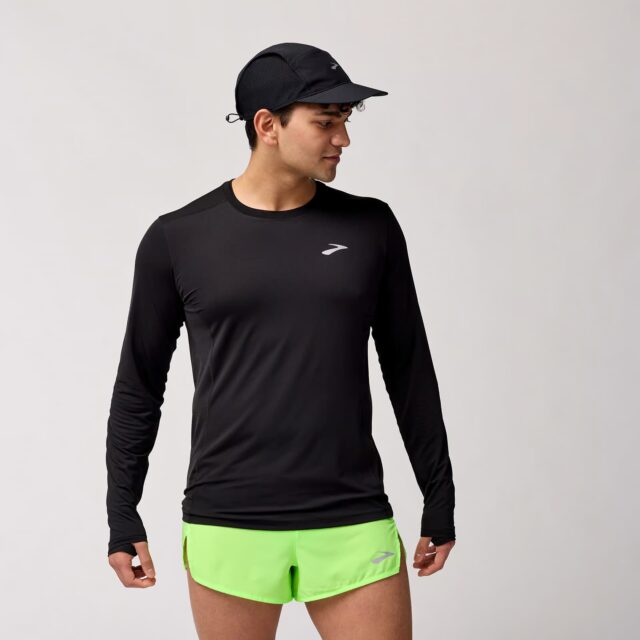
Base Layer
A moisture-wicking base layer is essential. Technical running fabrics pull sweat away from the skin and allow it to evaporate – crucial when you’re working hard on climbs and then exposed on descents. Avoid cotton entirely on trail runs.
Mid Layer
A lightweight long-sleeve technical top adds warmth without bulk for cooler days. Look for fabrics with four-way stretch that move with you on technical terrain.
Trail Running Jacket
A packable, windproof and water-resistant running jacket is the most important piece of trail clothing. Look for one light enough to stuff into a vest pocket so you can put it on quickly when conditions change. For longer runs in remote areas, a full waterproof jacket rather than just water-resistant is worth considering.
Trail Running Tights and Shorts
Trail tights offer more protection than road tights on technical terrain – some feature reinforced panels on the knees and thighs. For summer trail running, shorts with a built-in liner are popular. Avoid loose shorts on technical terrain where branches and undergrowth can catch.
Trail Running Socks
Good trail running socks make a significant difference to blister prevention. Look for moisture-wicking technical socks with extra padding in the heel and forefoot. Longer crew-length socks also protect your ankles from scratches on overgrown paths.
Trail Running Hydration
Staying hydrated on trail runs is more important – and more challenging – than on road runs. You’re often further from water sources and working harder on varied terrain. Getting your hydration system right is essential for comfortable trail running.
Soft Flasks
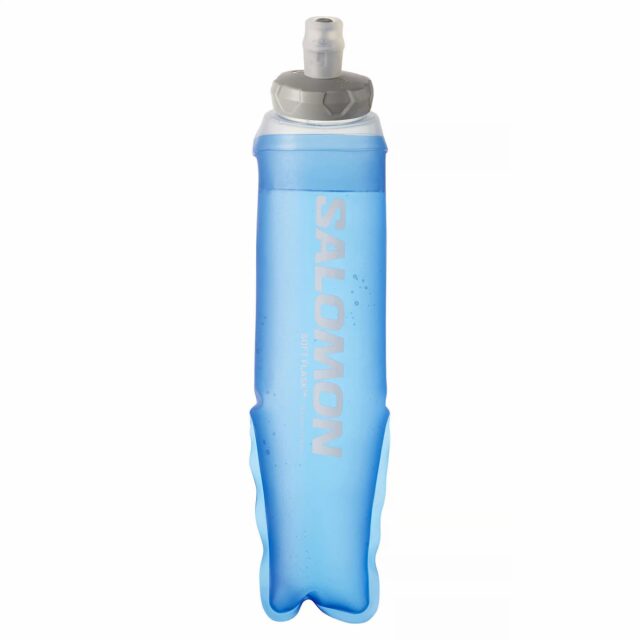
Soft flasks have largely replaced hard bottles for trail running. They’re lighter, collapse as you drink (so they don’t slosh around) and fit easily into vest pockets. Salomon’s soft flasks are among the most popular – available in 150ml, 250ml and 500ml sizes to suit different run lengths. We also stock the Salomon Soft Flask Straw – a replacement straw accessory that lets you drink on the move without breaking stride.
Running Vests and Packs
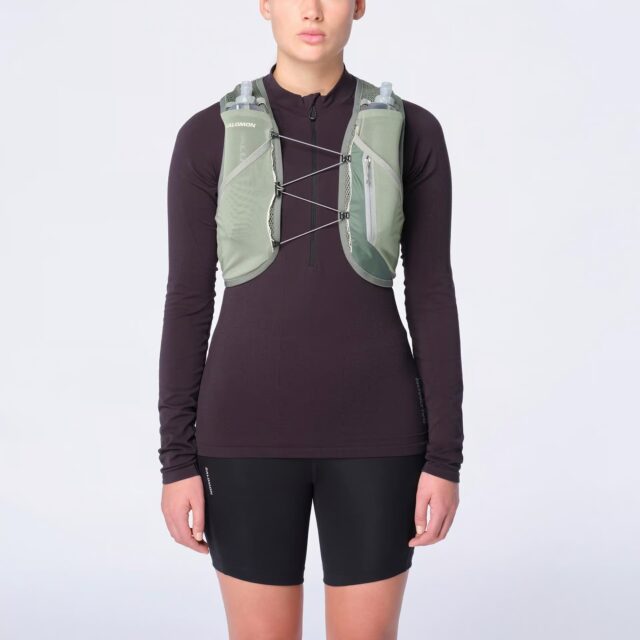
For runs over 90 minutes, a running vest or pack is the most efficient way to carry water, nutrition and kit. Trail running vests sit close to the body to minimise bounce and typically feature front soft flask pockets for easy access. The OMM Ultra 8 and Salomon Trailblazer 10 are both excellent options we stock at Running Bath. For shorter efforts, the Salomon Agile belt provides a lighter alternative.
Hydration Bladders
For longer runs and ultra distances, a hydration bladder in a larger pack gives you more capacity (1.5-2 litres) without needing to stop to refill. Most trail running packs include a bladder compartment alongside the front flask pockets.
Trail Running Safety Gear
Running off-road, particularly in remote areas or on longer efforts, requires some additional safety considerations that road runners don’t need to think about.
Navigation
A downloaded map on your phone or a GPS watch with mapping capability is important for unfamiliar trails. Don’t rely on phone signal in remote areas – download routes offline before you head out.
Emergency Layer
Always carry a packable jacket on runs where you’ll be exposed. In the UK, conditions can change rapidly on exposed terrain and a lightweight waterproof takes up minimal space in a vest.
First Aid
A basic blister kit and some wound closure strips are worth carrying on longer trail runs. Falls on technical terrain are more common than on roads.
Head Torch
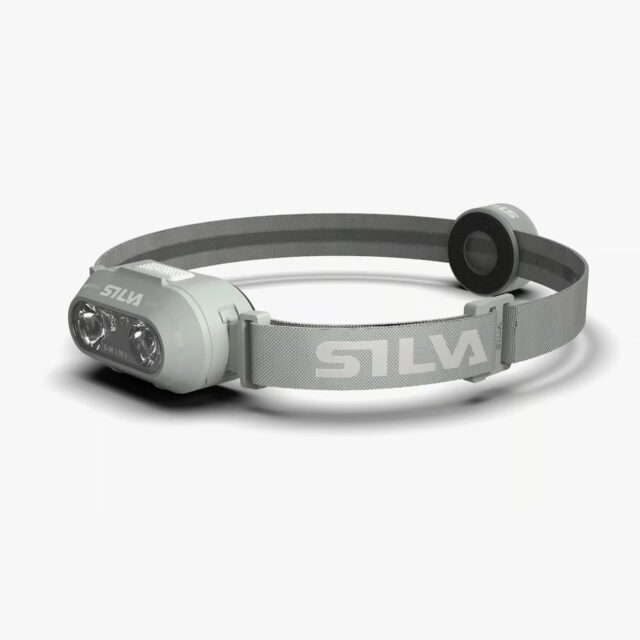
Essential for early morning or evening trail runs, particularly in autumn and winter. A head torch keeps your hands free and lets you pick your line on technical terrain.
Trail Running Gait Analysis
Many runners assume gait analysis is only for road running – but understanding your gait is just as important for trail shoes. If you overpronate on the road, the same mechanics apply off-road. A gait analysis helps us recommend trail shoes with the right level of support for your individual running style.
Book a gait analysis at Running Bath – we’ll assess your gait and recommend the right trail shoes alongside road options.
Trail Running Gear Guide – FAQs
On dry, well-maintained paths you can get away with road shoes. On anything wet, muddy or technical, trail shoes make a significant difference to grip, safety and confidence. If you’re trail running regularly in the UK, dedicated trail shoes are worth the investment.
Trail shoes have lugged outsoles for grip on soft ground, more protective midsoles to handle uneven terrain, and more durable uppers. Road shoes have smooth outsoles optimised for tarmac, lighter construction and more cushioning for repetitive heel-to-toe impact. The two serve different surfaces and shouldn’t be confused.
A general guide is 500ml per hour of running, adjusted for temperature and effort. For runs under 45 minutes in cool conditions, you may not need to carry water at all. For anything over an hour, particularly in warm weather or on exposed terrain, carry at least 500ml and plan your route around water sources if going longer.
Not for shorter trail runs – a soft flask in your hand or pocket is enough for efforts under 90 minutes. For longer runs, technical terrain or races, a vest is the most comfortable and efficient way to carry everything you need.
The essentials to get started: a pair of trail running shoes, moisture-wicking base layer, packable jacket and a way to carry water (soft flask or small belt pack). As your runs get longer and more technical, you can add to your kit from there.
Running Bath in Bath stocks trail running shoes from HOKA and Salomon, soft flasks, running vests, packs and accessories. Visit us in-store for expert advice or browse our full range online. Free UK delivery on orders over £60.
Where can I buy trail running gear in Bath?
Running Bath in Bath stocks trail running shoes from HOKA and Salomon, soft flasks, running vests, packs and accessories. Visit us in-store for expert advice or browse our full range online. Free UK delivery on orders over £60.
Shop Trail Running Gear at Running Bath
Running Bath is Bath’s specialist running store, stocking a carefully selected range of trail running shoes, clothing and accessories from HOKA, Salomon, OMM and more. Visit us on the High Street in Bath city centre or shop online. Shop Salomon – Shop HOKA Speedgoat – Book a gait analysis. Free UK delivery on orders over £60 – easy returns – expert advice in-store and online.
Also useful: Running Routes in Bath – Do You Need a Running Backpack? – Running in Autumn – Salomon Running Shoes & Gear